Hotline 4008-119-722 bjwfzg@163.com Mon–Sat 8:30–18:00

News

NEWS & INSIGHTS

Company updates, exhibitions and tech explainers: the latest from Wufang Zhigong.

Exhibition board 1Exhibition board 2Exhibition board 3Exhibition board 4Exhibition board 5
Company News

Wufang Zhigong granted another national invention patent as smart unloading know-how accumulates
2025-04-12Wufang ZhigongSmart unloading

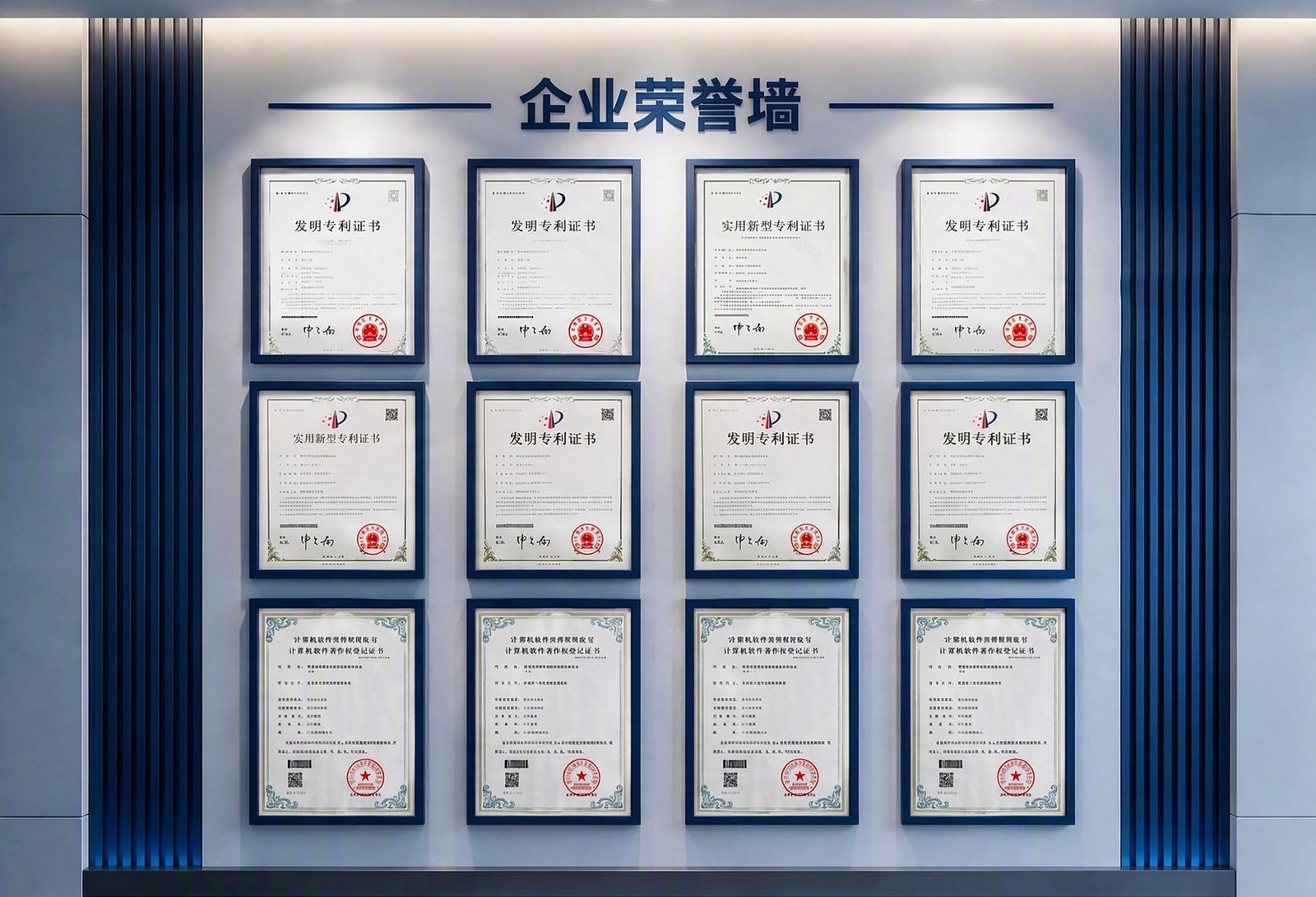
Wufang Zhigong (Beijing) Technology Co., Ltd. has recently been granted a national invention patent for a smart slab unloading solution. The patent covers an automated working method of “pneumatic slab push-off + vacuum pick-up + transfer stacking”, improving the slab unloading step in stone processing.

Why keep focusing on unloading?

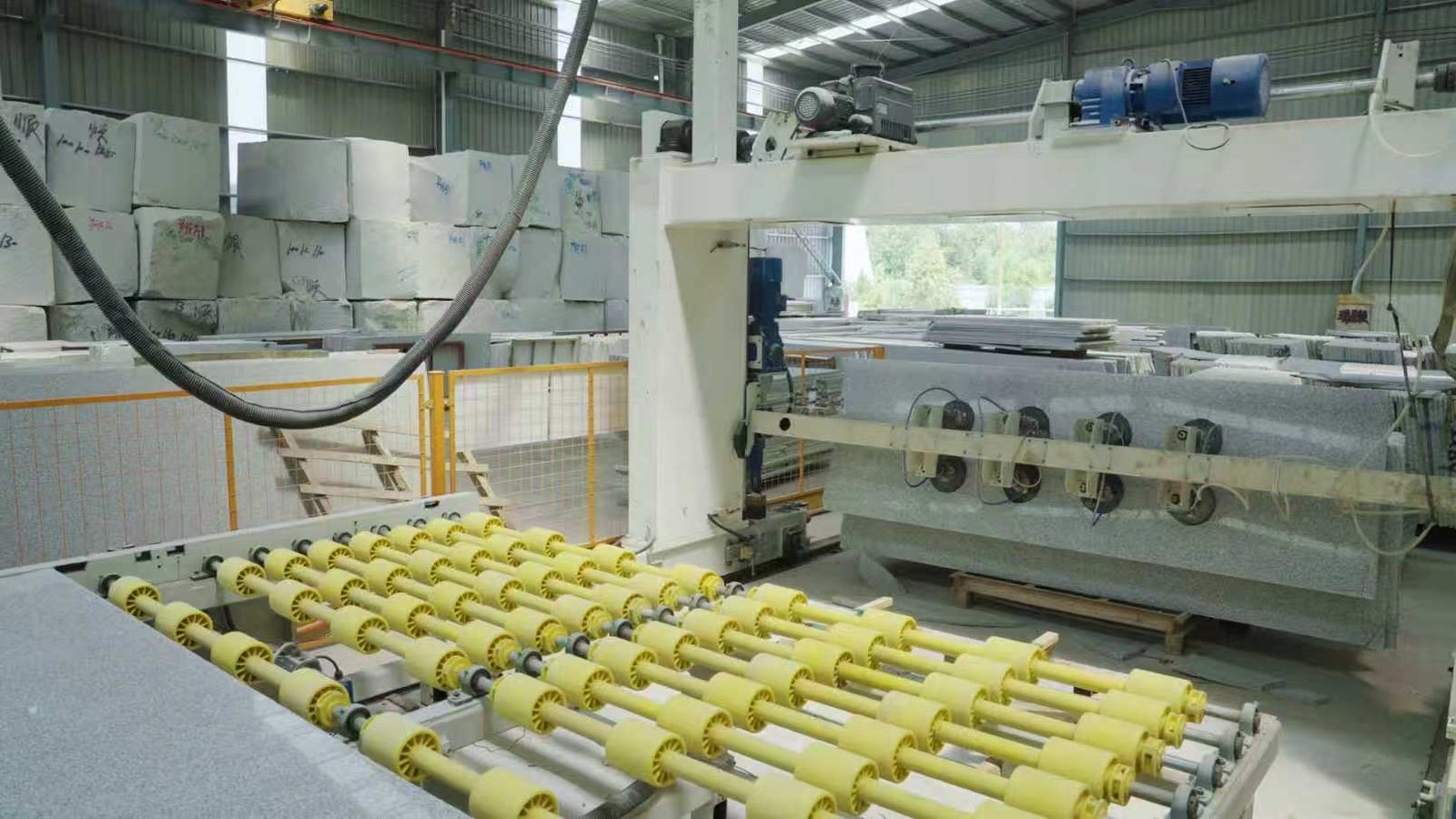
In a stone plant, cut slabs must be moved from the machine to the stacking position. Heavy, slippery slabs, heavy dust and a tight cycle: this step has long depended on manual labor and is one of the points where physical strain and safety risk are highest.

Our approach is direct: take people out of heavy handling and leave them to supervision and inspection. Toward this goal the company keeps accumulating know-how in push-off mechanisms, cup layout, cycle coordination and safety protection; this patent is one link in that chain.

From patent to product

Beyond the patent portfolio, the technology has become a deliverable product: the Smart Unloading System (Model 1: WF-ST2.2 / Model 2: WF-ST3.0), handling slabs up to 2.2 m / 3.0 m and 300 kg / 600 kg per piece at a constant 1 slab/min, with one operator supervising 5 machines. In 24-hour continuous operation, daily throughput per unit is about 1,600 m² (WF-ST2.2) and 2,600 m² (WF-ST3.0).

Intellectual property is a moat built up over time, but what matters more to us is putting every improvement to work on the shop floor. You are welcome to book a visit and see the equipment running on a real line.
Tech Explainer

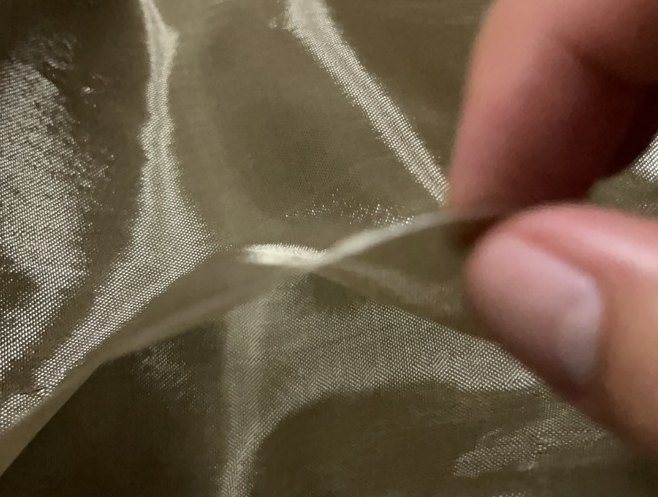
How basalt fiber turns rock into a high-value material: four key properties at a glance

2025-03-08Wufang ZhigongBasalt Fiber

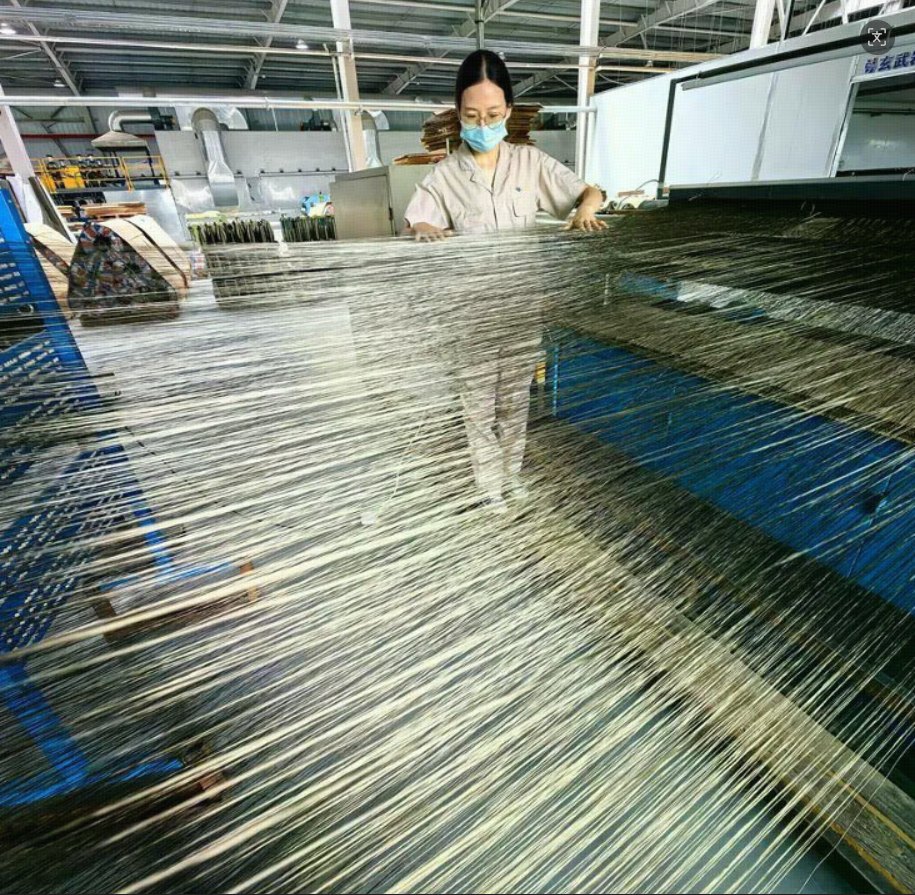
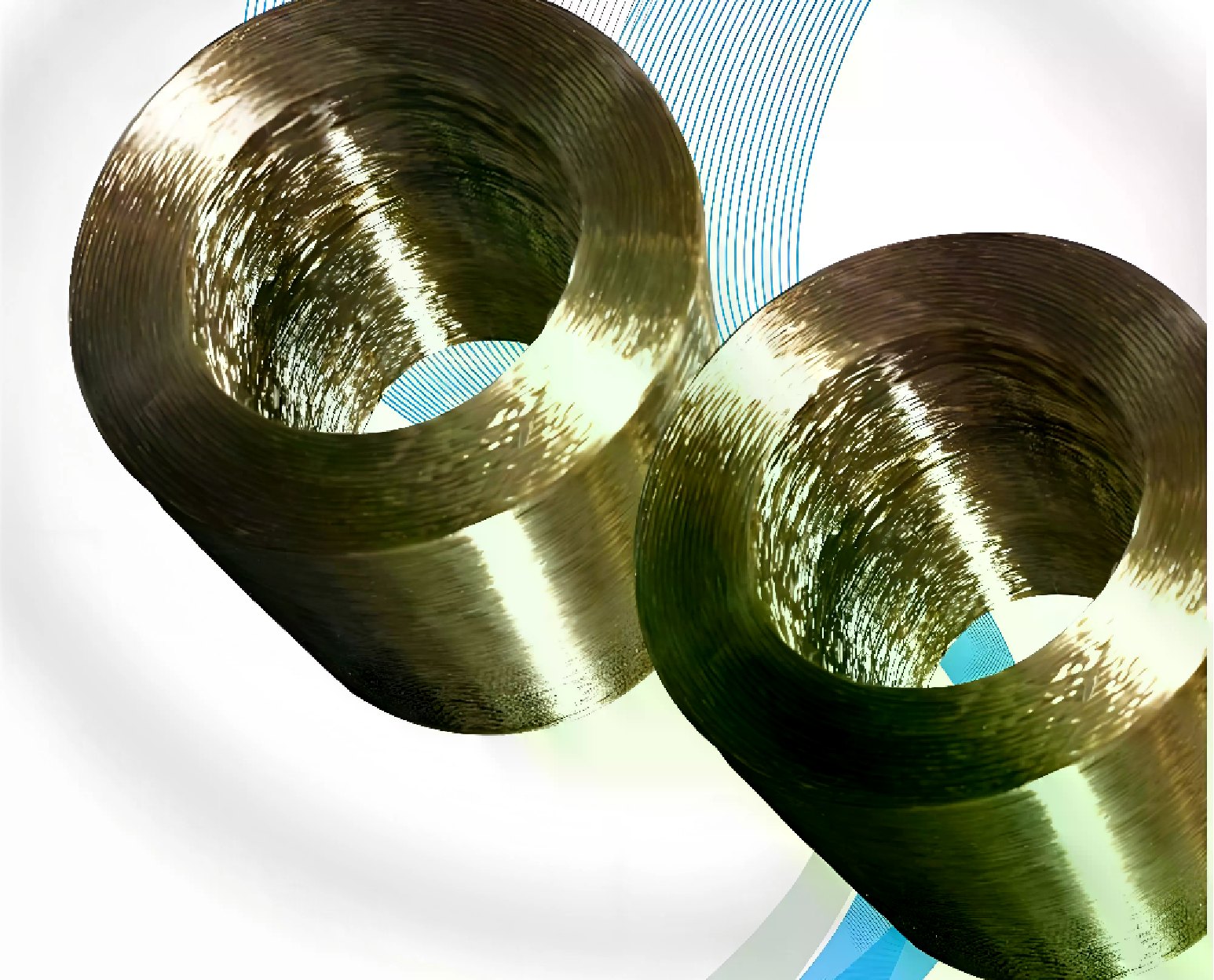
Basalt fiber is a continuous fiber drawn from natural basalt rock melted at about 1,450 °C. This article explains its strengths through four indicators (typical industry values; actual figures subject to test reports).

1. Mechanics: high specific strength

Basalt fiber has a tensile strength of about 3,500–3,800 MPa, a density of about 2.65 g/cm³ and an elastic modulus of about 90 GPa. Converted to specific strength (strength/density), that is about 20–35× that of steel, meaning a lighter structure reaches a similar strength level, with 30–50% weight savings in lightweight applications.

2. Heat and flame: inherently fireproof

Basalt comes from melted volcanic rock and is inherently non-combustible. Its long-term service temperature is about −260 °C to 700 °C (higher for short periods), with a limiting oxygen index ≥68%, reaching Class A non-combustible level, and it retains more than 80% of its strength at high temperature, which organic materials struggle to match.

3. Weather and corrosion: stands up to water and salt

24h water absorption <0.5% and salt-spray resistance over 3,000 hours. For bridges, ships, coastal works and chemical environments, corrosion resistance means lower whole-life cost.

4. Electromagnetics: RF-transparent

A dielectric loss tangent below 0.01, about 50% lower than glass fiber, and RF transmittance above 98% make it a natural fit for 5G communications, radomes and similar applications.

How does it compare with common materials?

In short: carbon fiber performs well but costs a lot (about CNY 150–300/kg, ≈ US$22–44/kg at the Sep 21, 2026 rate of 6.7487 CNY/USD); glass fiber is cheap but has performance limits. Basalt fiber sits between them: at CNY 30–80/kg (≈ US$4.5–12/kg) it covers many applications where glass fiber falls short and carbon fiber is unaffordable.

Note: figures in this article are typical industry values for illustration; formal selection is subject to actual test reports and prototype data.

Want to see how the equipment and materials fit your situation?

Ten minutes on the phone beats a hundred pages of brochures: an engineer works directly from your actual conditions.